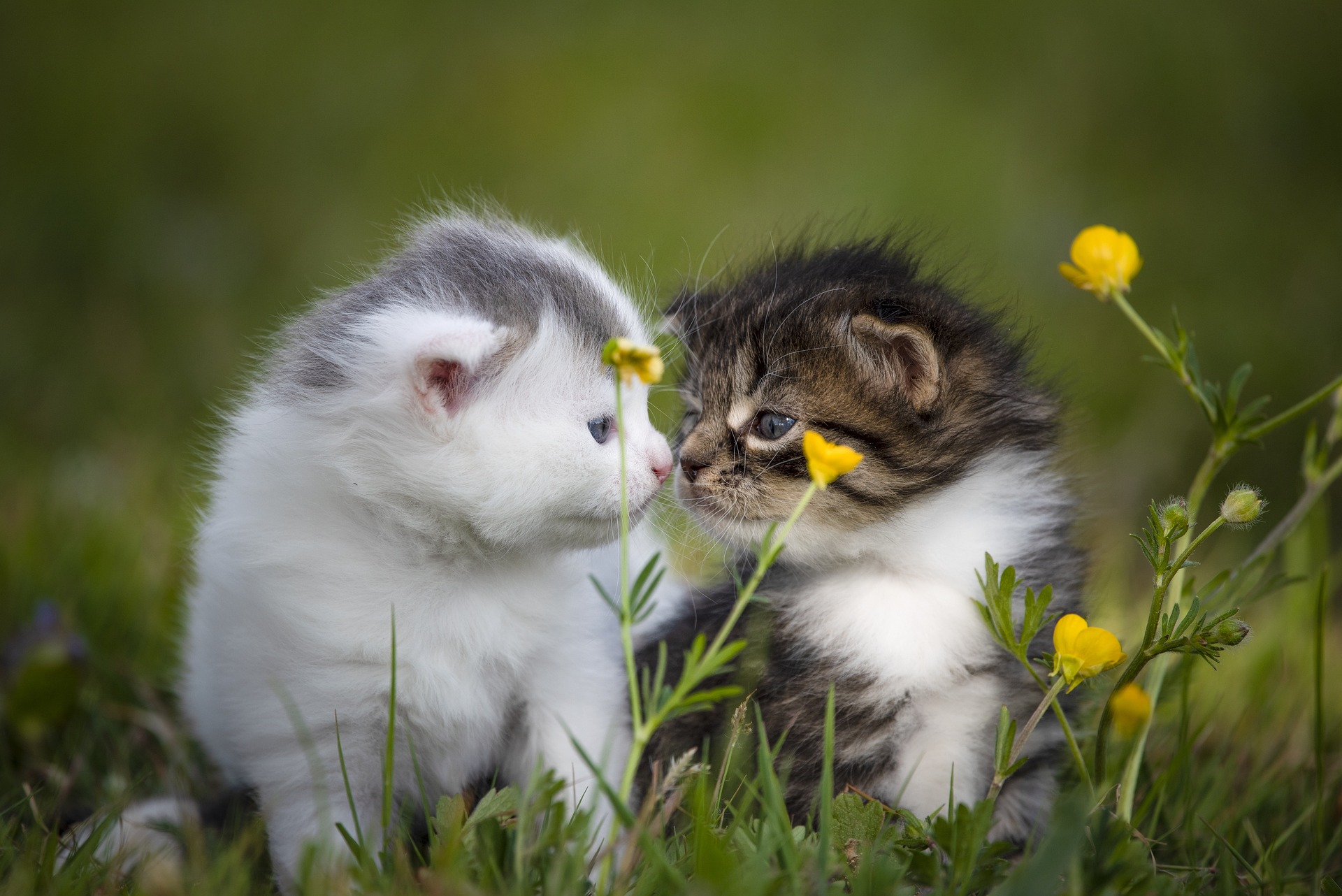
Kitten season is fast approaching. If you have space, you might be tempted to offer a home to a kitten. Don’t let me put you off. They’re cute, they’re fun, they have two settings – full speed or fast asleep – and they are rarely anything other than completely trusting that humans are the best thing they ever met.
Kittens are kittens for such a short time that it is easy for a human to forget what they are like. Within six months, you are dealing with a young cat, and within a year you have an independent pet. By the time your cat is ten or twelve years old, that memory of kitten craziness is hazy. So let me remind you.
Where to get them
First of all, trust your source. A registered breeder for a pedigree cat; a friend, a relative or a friend of a friend for back garden moggy kittens. Better still, find a rescue shelter you can trust. However loving the shelter, any cat would rather have their own humans to boss around. Don’t forget that kittens must be left with their mother until they are at least eight weeks old. A reputable shelter will not let their kittens leave until they’re ready, and a good friend will understand that you’ll let the kitten stay with their Mama for those vital early weeks. Both will let you see the kittens and their mama before you agree to take them, so that you have an idea of how the kitten grew up.
Early care
Second, be ready for mayhem and bad behaviour. Kittens are explorers and they haven’t learned the rules yet. I’ve heard of kittens found clinging to the top of the curtains; standing on a thin branch thirty feet up a tree and complaining about it; over-reaching themselves while ‘admiring’ the fish in a pond (splosh)…
Third, don’t forget that these unbreakable little cuties need to see a vet for a health check and vaccinations. As a cattery, we have a rule that we don’t take in any cat that doesn’t have a vaccination certificate. This is for the cat’s own protection and for the health of the other cats in our care. It’s best to book a kitten’s first vaccinations between the age of nine weeks and three months, with the follow-up shots given between three and four weeks later. Have a chat to the vet about the best time to neuter – as harsh as it feels, neutered cats live longer, happier, calmer lives.

Be Prepared…
Before you fetch your new cat home, prepare a place for them. Move your breakable objects up a shelf or pack them away for six months. Kittens climb for fun, and sometimes they play skittles with the objects they meet up there. Invest in new toys, bedding and scratch-posts. Cats leave their scent on every part of their possessions and territory, and it’s good for a kitten to have a fresh start to its new life.
Be very, very careful about that first introduction to any existing cat in the house. The basic rules set out in our blog of June 2022, ‘Pleased to Meet You’ apply to either kittens or adult cats, but be aware too that kittens are full of energy and you may need to be more careful when they meet an adult cat. Most adult cats treat kittens more gently than they would deal with a boisterous adult, but be ready to step in and distract both sides if an early meeting gets too heated.
The first few months
Allow time for the kitten to settle. They have just left the litter for the first time and are now living with unfamiliar people, in an unfamiliar place. Some kittens are bold and others are shy – if they want to hide, let them hide. Tempt them out with treats and be that fun human that sits with them to play catch the string.
Be prepared for that teething stage… between three and six months, kittens lose their baby teeth and replace them with adult teeth. Like human youngsters, they bite and chew more than usual to get those teeth to break through the gums. You’ll find chew marks in your best shoes, your book covers, possibly even furniture. Provide them with chewable toys and give them time to work the new fangs into place. Don’t let them get into bad habits, like biting human hands and feet or munching on electrical wiring or plants.
The best advice of all – if you have room for two kittens, adopt two littermates. They will play together and take comfort in each other’s company while they learn what it is to be a house-cat.